


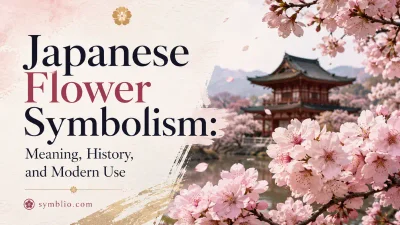
Japanese Flower Symbolism: Meaning, History, and Modern Use
Flowers in Japan can communicate far more than beauty. A blossom may suggest a season, a character trait, a religious idea, a memory, or an…
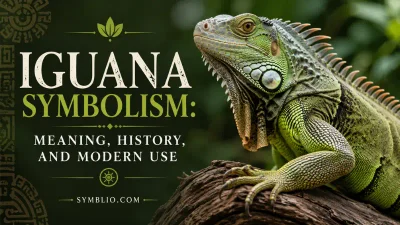
Iguana Symbolism: Meaning, History, and Modern Use
An iguana is easy to recognize: a large lizard with a long tail, rough scales, a row of dorsal spines, and a distinctive dewlap beneath its…
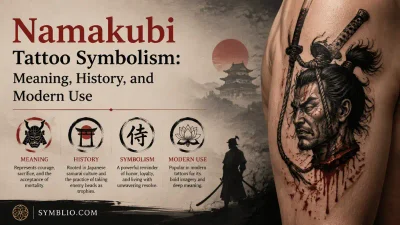
Namakubi Tattoo Symbolism: Meaning, History, and Modern Use
A namakubi tattoo symbolism can look startling at first: the image traditionally depicts a severed human head, often presented within the…
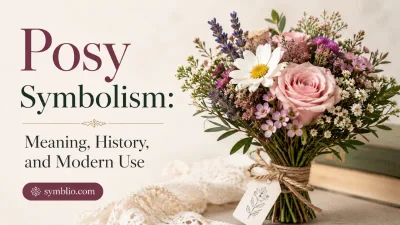
Posy Symbolism: Meaning, History, and Modern Use
A posy is a small flower or modest bunch of flowers, but the word carries a history that reaches beyond the bouquet itself. Posy symbolism is…
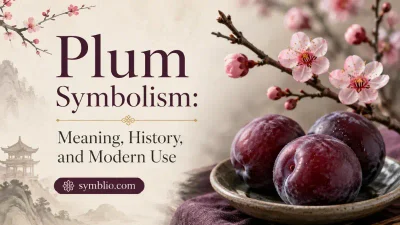
Plum Symbolism: Meaning, History, and Modern Use
The plum carries several different kinds of symbolism, depending on whether people mean the fruit, the plum blossom, or the deep purple color…
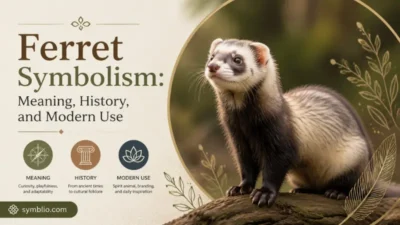
Ferret Symbolism: Meaning, History, and Modern Use
Ferrets are small, long-bodied members of the weasel family, known for their curiosity, agility, playfulness, and habit of investigating…
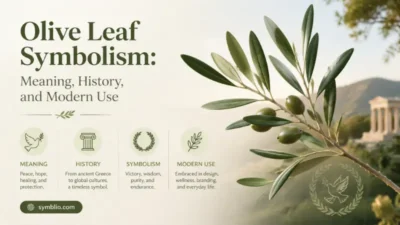
Olive Leaf Symbolism: Meaning, History, and Modern Use
The olive leaf is one of the most recognizable symbols of peace in Western culture, especially when it appears in the beak of a dove or in the…
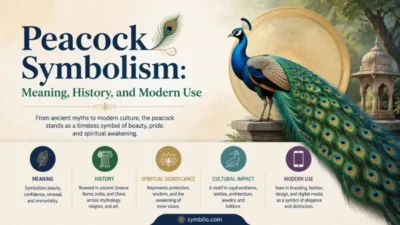
Peacock Symbolism: Meaning, History, and Modern Use
Peacock symbolism reflects a striking tension: the bird can represent beauty and renewal, yet it can also suggest pride and vanity. Its…
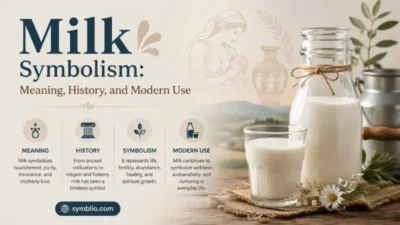
Milk Symbolism: Meaning, History, and Modern Use
Milk is an ordinary part of daily life, yet it carries a surprising range of symbolic meanings. People often associate it with nourishment,…
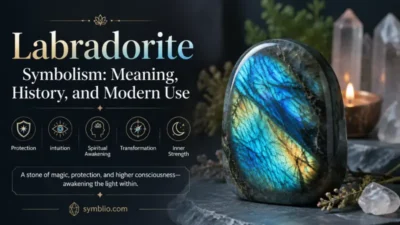
Labradorite Symbolism: Meaning, History, and Modern Use
Labradorite is a feldspar mineral known for its gray or dark body and bright flashes of blue, green, yellow, and other colors. These flashes…