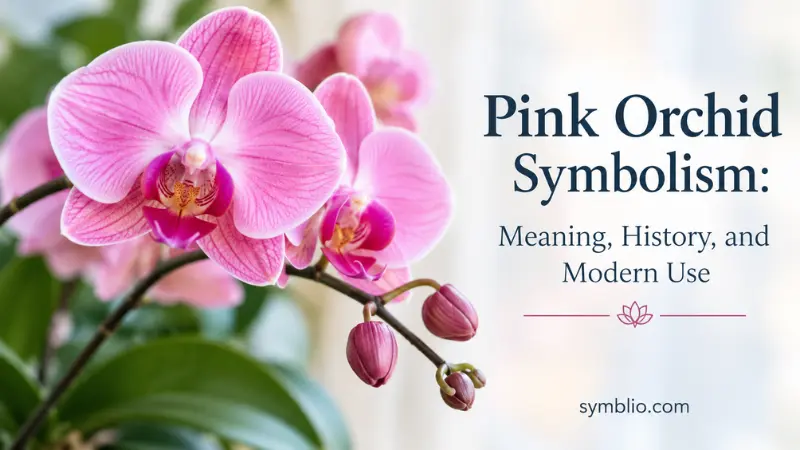
Pink orchids are commonly associated with grace, admiration, affection, and appreciation. Their soft colors and distinctive blooms make them popular gifts for expressing warm feelings without the intensity often associated with red roses. In the United States, pink orchid symbolism appears in floral gifts, weddings, home decor, celebrations, and personal expressions of gratitude.
Orchids have attracted attention for their unusual shapes, long-lasting flowers, and variety of colors. Pink varieties are especially appealing because they combine the orchid’s association with refinement and rarity with the gentle emotional qualities people often connect to pink.
However, a pink orchid does not carry one universal meaning. Its interpretation depends on the occasion, the relationship between the people involved, and the cultural setting. Understanding these differences helps explain why the same flower can communicate romantic affection, sincere appreciation, encouragement, or a simple wish to brighten someone’s day.
Quick Answer: What Does Pink Orchid Symbolism Mean?
Pink orchid symbolism most commonly represents admiration, affection, grace, femininity, and appreciation in modern American culture. Pink orchids also draw on broader orchid associations with beauty, refinement, and rarity, making them meaningful gifts for celebrations, relationships, and moments of personal growth.
TL;DR: Key Meanings of Pink Orchids
- Admiration: Expresses respect for someone’s qualities, achievements, or character.
- Affection: Communicates warmth and care in romantic and nonromantic relationships.
- Grace: Reflects elegance through the flower’s delicate color and distinctive form.
- Appreciation: Makes a thoughtful gift for gratitude, congratulations, or recognition.
- Renewal: Represents fresh beginnings and encouragement during life transitions.
- Refinement: Connects with the orchid’s reputation as a distinctive ornamental flower.
What Makes Pink Orchids Symbolically Distinctive?
Pink orchids stand out because their appearance combines a soft color with an intricate floral structure. Many varieties have rounded petals, a prominent central lip, and subtle markings that create a layered, almost sculptural appearance.
The word orchid refers to plants belonging to the Orchidaceae family, one of the largest families of flowering plants. Orchids grow in a wide range of environments, and their flowers vary considerably in size, shape, and color.
Pink orchids are not a single botanical species. They include numerous species and cultivated hybrids, from pale blush Phalaenopsis orchids to deeper pink Cattleya and Dendrobium varieties.
Their symbolic appeal comes from this combination of color and form. Pink contributes associations with tenderness and warmth, while the orchid’s unusual structure suggests individuality, sophistication, and careful attention.
These meanings are cultural interpretations rather than fixed botanical facts. A person who receives a pink orchid might see it as a romantic gesture, while another might appreciate it primarily as a beautiful plant.
Admiration and Respect
One of the most common meanings associated with pink orchids is admiration. The flower offers a way to recognize another person’s qualities without necessarily making a romantic declaration.
A pink orchid can be an appropriate gift for someone whose creativity, patience, leadership, or personal accomplishments you appreciate. Its distinctive appearance makes the gesture feel considered, while its gentle color keeps the message warm.
In American gift-giving culture, this meaning works across different relationships. A friend might give a pink orchid to celebrate a personal achievement, while a family member might choose one to recognize a meaningful milestone.
The message is often more about the recipient than the giver. Rather than communicating intense passion, the flower can say, “I appreciate who you are and what you have accomplished.”
This makes admiration one of the most flexible interpretations of pink orchids. It fits professional recognition, personal celebrations, and everyday expressions of respect.
Affection, Tenderness, and Romance
Pink has long been associated in many modern Western settings with tenderness, sweetness, and affectionate feeling. When combined with an orchid, these associations can create a gift that feels intimate without being overly dramatic.
A pink orchid may express romantic interest, enduring affection, or appreciation for a partner. The precise message depends on the relationship and the occasion.
For example, a person might give a flowering orchid to a partner on an anniversary because the plant can continue blooming with proper care. Someone else might give a smaller pink orchid to a close friend as a sign of affection and support.
Pink orchids are not exclusively romantic flowers, however. They can communicate love between relatives, gratitude toward a mentor, or warmth toward a friend.
The surrounding circumstances matter more than the color alone. A pink orchid accompanied by a romantic note carries a different message from the same plant presented as a housewarming gift.
Grace, Elegance, and Refinement
The shape of an orchid contributes strongly to its association with elegance. Its petals often appear carefully arranged, and its unusual central structure gives the bloom a distinctive appearance compared with familiar flowers such as daisies or carnations.
Pink adds softness to this visual refinement. A pale pink orchid can look understated and delicate, while a saturated pink variety may feel more expressive and celebratory.
In the United States, these qualities make pink orchids common choices for upscale floral arrangements, reception areas, dining tables, and formal events. They can complement a space without overwhelming it with strong color or fragrance.
Refinement does not necessarily mean wealth or luxury. It can also refer to thoughtfulness, restraint, and attention to detail.
A pink orchid therefore may symbolize a person’s composed manner, appreciation for beauty, or preference for objects that combine visual interest with subtlety.
The Historical Origins of Orchid Symbolism
Orchid symbolism developed across different cultures and periods rather than originating from one universal tradition.
The plants themselves have a long botanical history. Orchids evolved millions of years ago, and people in different regions eventually learned to identify, cultivate, and use particular varieties.
In ancient Greece, the orchid’s name was associated with the Greek word orchis, meaning “testicle,” because of the appearance of certain underground plant structures. Ancient writers also connected these plants with ideas about fertility. Those associations belong to particular historical beliefs and should not be treated as the universal meaning of every orchid today.
In China, orchids became important in artistic and literary traditions. The flower was associated with refinement, cultivated character, and the qualities of an admirable person. Orchids also appeared in traditions influenced by Confucian thought, where their understated beauty could represent virtue and integrity.
Later, European interest in orchids grew significantly during the eighteenth and nineteenth centuries, when plant collecting, botanical research, greenhouse cultivation, and international trade expanded. Rare orchids became desirable among collectors, helping establish associations with exclusivity and sophisticated taste.
These histories help explain the orchid’s modern reputation for distinction. Pink orchids add another layer through the meanings that different societies attach to the color pink.
Pink Orchid Symbolism in the United States
In contemporary American culture, pink orchids are generally understood through a combination of floral etiquette, personal taste, and the meanings attached to color.
They appear in settings where people want to communicate appreciation or warmth while maintaining a polished appearance. A flowering orchid can be a suitable gift for a birthday, a new home, a professional accomplishment, or a family celebration.
Their versatility is particularly useful because American gift-giving does not follow one strict language of flowers. The recipient’s preferences, the relationship, and the occasion all influence how a gift is interpreted.
Pink orchids may communicate several messages in the United States:
- For friends: Appreciation, encouragement, and affection.
- For partners: Tenderness, admiration, and romantic interest.
- For family members: Love, gratitude, and celebration.
- For colleagues: Congratulations, respect, and professional appreciation.
- For hosts: Thoughtfulness and a wish to contribute something beautiful to a home.
The meaning is rarely absolute. Some people know traditional flower symbolism, while others choose orchids because they like their appearance or enjoy caring for houseplants.
In practice, the most reliable way to communicate a particular sentiment is to pair the flower with a personal message.
Cultural Interpretations Beyond the United States
Orchids appear in many cultural traditions, but their meanings differ according to local history, artistic practice, religion, and social customs.
Chinese traditions: The orchid is one of the plants associated with the cultivated scholar in traditional Chinese art. Its restrained beauty can suggest integrity, refinement, and moral character. This symbolism is connected to the orchid as a plant rather than specifically to pink varieties.
Japanese floral aesthetics: Orchids can be appreciated for their form, seasonal presentation, and contribution to a carefully composed arrangement. Japanese flower arranging emphasizes relationships among flowers, branches, space, and line. The meaning of an orchid therefore depends partly on how it is presented.
Ancient Greek traditions: Some early interpretations connected orchids with fertility because of the appearance of certain plant structures. These historical associations differ from the modern American emphasis on elegance and appreciation.
Tropical regions: In places where orchids grow naturally, local species may have practical, cultural, or national significance. The orchid’s meaning depends on the specific plant and community, not simply its color.
It is important not to treat these traditions as interchangeable. A meaning associated with orchids in Chinese painting does not automatically apply to every pink orchid used in a contemporary American celebration.
Emotional and Psychological Associations of Pink Orchids
Flowers often influence how people experience a space or interpret a gesture. Their color, shape, fragrance, and condition can contribute to the emotional impression they create.
Pink is commonly associated in modern Western color conventions with gentleness, warmth, affection, and care. These associations are cultural rather than universal psychological rules; individual experiences and preferences can change how someone responds to the color.
Orchids contribute a different visual quality. Their unusual structures and carefully shaped petals may attract attention, while their reputation as cultivated ornamental plants can suggest care and consideration.
Together, pink and the orchid can communicate a combination of softness and distinction.
A pink orchid in a quiet room may create a sense of calm or add a gentle visual accent. As a gift, it may make the recipient feel noticed because it looks more deliberate than an ordinary last-minute purchase.
The flower’s emotional meaning also depends on personal memories. Someone who received an orchid from a grandparent may associate it with family affection, while another person may connect it with a wedding or a significant achievement.
These individual meanings can be just as important as traditional symbolism.
What Different Shades of Pink May Represent
Not all pink orchids create the same visual impression. Although there is no universally accepted color code for orchid shades, people often interpret lighter and darker pinks somewhat differently.
| Orchid shade | Common association | Possible use |
|---|---|---|
| Pale pink | Gentleness, tenderness, and calm | Thank-you gifts and home decor |
| Blush pink | Warmth, affection, and subtle romance | Anniversaries and personal celebrations |
| Medium pink | Admiration, appreciation, and friendliness | Birthdays and congratulations |
| Deep pink | Expressiveness, confidence, and celebration | Statement arrangements and festive events |
| Pink with white markings | Softness combined with clarity or contrast | Weddings and elegant floral displays |
These associations are suggestions, not fixed rules. A deep pink orchid does not automatically indicate stronger love, and a pale pink bloom does not necessarily communicate a less meaningful sentiment.
The variety, arrangement, and accompanying message can matter more than the precise shade.
Pink Orchids at Weddings and Celebrations
Pink orchids work well at weddings because they can express affection and admiration while adding structure to floral arrangements. Their appearance suits both understated ceremonies and more formal celebrations.
Wedding designers may combine pink orchids with white roses, greenery, or other seasonal flowers. Pale pink varieties can soften a neutral arrangement, while brighter shades can introduce a more noticeable accent.
The symbolic interpretation depends on the couple’s choices. For one couple, pink orchids may represent tenderness and a shared appreciation for beauty. For another, they may simply be favorite flowers selected for their appearance.
Outside weddings, pink orchids can mark graduations, birthdays, anniversaries, retirement celebrations, and housewarmings. Their presence communicates that the occasion deserves attention.
Because many commonly sold orchid varieties are available as potted plants, they can also serve as lasting reminders of an event. With appropriate care, the plant may flower again, allowing the original gift to remain part of the recipient’s home.
Why Pink Orchids Are Popular as Gifts
A flower’s usefulness as a gift often depends on how easily its appearance and cultural associations fit different relationships.
Pink orchids offer several advantages. They are distinctive without requiring a dramatic color scheme, and many cultivated varieties are available as living plants rather than cut flowers.
They can also suit people whose preferences differ. Someone who enjoys gardening may appreciate caring for the plant, while someone who prefers decorative interiors may value the flower’s appearance.
Consider these situations:
- A thank-you gift: The orchid communicates appreciation without relying on romantic symbolism.
- A birthday present: Its color and unusual blooms make the gift feel celebratory.
- A new-home gift: The plant can become part of the recipient’s living space.
- A professional milestone: Its polished appearance suits a congratulatory gesture.
- A gift during a difficult period: The flower may offer encouragement without demanding a particular emotional response.
Pink orchids are not appropriate for every person or occasion simply because they are attractive. Some recipients have allergies, limited space, or little interest in caring for plants. A thoughtful gift considers those practical details as well as the symbolic message.
Pink Orchids in Home Decor and Personal Style
In home decor, pink orchids can add color without creating the visual intensity of a large, brightly colored bouquet. A single plant on a console table, desk, or dining surface can become a focal point while maintaining a restrained look.
Their symbolic meaning in these settings is usually indirect. A person may choose pink orchids because they suggest elegance, hospitality, or a welcoming atmosphere. Others may simply like the contrast between the flowers and a neutral interior.
Pink orchids also appear in fashion photography, event styling, jewelry designs, stationery, and decorative artwork. Their recognizable silhouette can suggest sophistication even when the image does not carry an explicit symbolic message.
Unlike a traditional emblem with a defined historical meaning, an orchid motif can function as a visual preference. A pink orchid printed on a scarf, for example, may express a love of botanical design rather than a statement about affection.
The context determines whether the flower communicates a specific idea or simply contributes to the overall aesthetic.
Pink Orchid Tattoos, Jewelry, and Personal Identity
A pink orchid can serve as a personal symbol when people incorporate it into tattoos, pendants, illustrations, or other meaningful objects.
In tattoo culture, orchid designs may represent elegance, personal growth, affection, individuality, or appreciation for nature. A pink version can emphasize gentleness or a meaningful relationship, although the interpretation ultimately belongs to the person wearing it.
Someone might choose an orchid tattoo to remember a loved one who enjoyed gardening. Another person may associate it with a period of change, a personal accomplishment, or a favorite place.
In jewelry, the orchid often functions as a floral motif that suggests refinement and attention to detail. Pink gemstones, enamel, or painted designs can add associations with warmth and affection.
These interpretations should not be confused with a universal symbolic code. There is no single established meaning for a pink orchid tattoo, and viewers cannot reliably infer someone’s identity or experiences from the design alone.
Personal symbolism is strongest when it reflects a real connection rather than an assumed meaning.
Common Misunderstandings About Pink Orchid Symbolism
Several assumptions can make orchid symbolism seem more definite than it really is.
Pink orchids always mean romance. They can express romantic affection, but they are also suitable for friends, family members, colleagues, and hosts.
Every orchid color has one official meaning. Floral color conventions vary across cultures, eras, and individual preferences. There is no universally binding dictionary that assigns one meaning to every shade.
Historical fertility associations apply to every modern orchid gift. Some ancient interpretations connected certain orchids with fertility, but contemporary American gift-giving often emphasizes admiration, affection, or decorative appeal.
An orchid is meaningful only when the giver intends symbolism. A person may choose the flower for its appearance, availability, or ease of display. Symbolism can be present without being the main reason for the purchase.
Pink flowers have the same meaning in every culture. Color associations change across societies and historical periods. Interpretations drawn from one cultural setting should not be presented as universal.
Pink orchids also have no established universal meaning as warnings, omens, or predictions of future events. Such claims should be understood as personal beliefs or fictional interpretations rather than verified properties of the flower.
How Pink Orchid Meaning Has Changed Over Time
The orchid’s symbolic reputation has developed alongside changes in cultivation, trade, art, and social customs.
In ancient Greek writing, some orchid-related associations reflected observations of plant anatomy and beliefs about fertility. In Chinese artistic traditions, orchids became connected with cultivated character and refined conduct.
During the expansion of European orchid collecting, rare varieties acquired associations with exclusivity and the resources required to cultivate unusual plants. Improvements in greenhouse technology and commercial propagation eventually made many orchids more accessible.
In modern American life, orchids are no longer limited to specialist collectors or elaborate botanical displays. Widely sold Phalaenopsis orchids are common gifts and household plants, bringing the flower into everyday settings.
Pink varieties combine this modern accessibility with familiar color associations involving affection, tenderness, and appreciation.
The result is a flexible symbol. A pink orchid can still suggest refinement, but it can also represent an ordinary act of kindness, a personal celebration, or the pleasure of growing something beautiful.
Its meaning has broadened rather than settled into one fixed definition.
FAQs
Some people interpret pink orchids as symbols of harmony, personal growth, compassion, or an appreciation for beauty. These are personal or tradition-specific interpretations rather than universal religious teachings.
Giving someone a pink orchid commonly expresses admiration, affection, appreciation, or congratulations. The relationship and occasion help determine whether the gesture feels romantic, friendly, familial, or professional.
A pink orchid tattoo may represent tenderness, elegance, individuality, personal growth, or an important relationship. Its meaning is personal, so the wearer’s experience matters more than a standard symbolic definition.
Yes, pink orchids can represent love and affection, especially when given to a romantic partner or family member. They can also communicate friendship and appreciation, so they are not exclusively romantic flowers.
Pink orchids are often associated with affection, admiration, and tenderness, while white orchids commonly suggest purity, simplicity, elegance, or remembrance. These are broad cultural conventions, not universal rules governing every flower or occasion.
Orchids in traditional Chinese art can represent refinement, integrity, and cultivated character. Those associations are generally connected to the orchid as a plant, rather than to a single pink variety.
Yes. Pink orchids can be thoughtful gifts for friends, relatives, colleagues, teachers, or hosts because their associations include respect, appreciation, and warmth. A brief note explaining the occasion can make the intended message clearer.
Conclusion
Pink orchid symbolism centers on admiration, affection, grace, and appreciation. In the United States, these flowers are valued as gifts and decorative plants because they combine a gentle color with a distinctive appearance. Their historical associations with refinement and cultivated beauty add context, but modern interpretations remain flexible.
Pink orchids can celebrate a relationship, recognize an achievement, brighten a home, or mark a personal milestone. Their meaning depends on the people involved and the circumstances in which the flowers are given.
Ultimately, a pink orchid communicates most clearly when its traditional associations support a sincere gesture. Its beauty may attract attention, but the thought behind the gift gives it personal meaning.