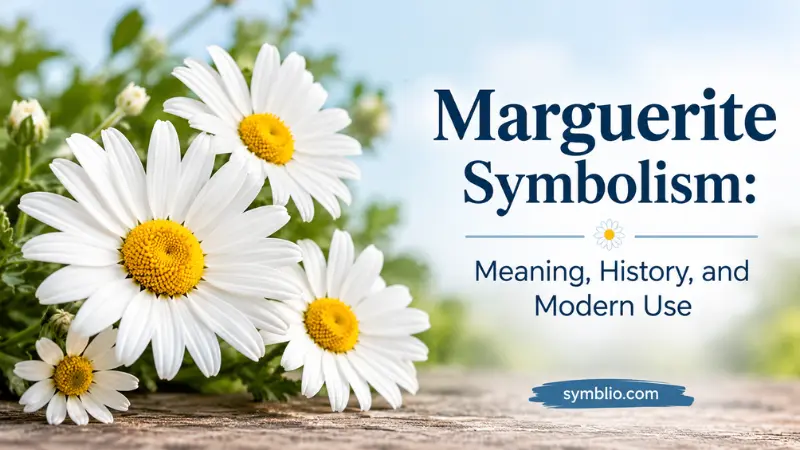
The marguerite daisy is a beautiful flower commonly associated with innocence, sincerity, loyalty, joy, and new beginnings. Its white petals and bright yellow center create a simple, cheerful appearance that makes it popular in gardens, bouquets, and decorative arrangements. Marguerite symbolism helps explain why people connect this flower with affection, friendship, and the beauty of everyday life.
In the United States, marguerites are appreciated for their fresh appearance and versatile use. They appear in wedding bouquets, spring decorations, garden designs, and gifts for friends and family. Their understated beauty makes them suitable for both special celebrations and ordinary moments of appreciation.
Although marguerites share many characteristics with other daisies, their botanical identity and cultural associations are worth understanding. Their symbolic meanings can change depending on the flower’s color, the occasion, and the personal experiences of the people who give or receive them.
Quick Answer
Marguerite symbolism commonly represents innocence, sincerity, loyalty, happiness, and new beginnings. Historically connected with European daisy traditions, the flower is also associated with affection, simplicity, and the renewal that comes with spring.
TL;DR
- White marguerites symbolize innocence, sincerity, and simplicity.
- Daisy traditions connect marguerites with affection and loyalty.
- American floral designs use marguerites to express friendship and happiness.
- The flower’s appearance makes it suitable for weddings and celebrations.
- Marguerites can represent personal growth and fresh beginnings.
- Individual memories and cultural traditions influence the flower’s meaning.
What Is a Marguerite Daisy?
The marguerite daisy, scientifically known as Argyranthemum frutescens, is an ornamental flowering plant native to the Canary Islands. It belongs to the Asteraceae family, which also includes sunflowers, chrysanthemums, and many other familiar flowering plants.
Marguerites usually have white petals surrounding a yellow center, although cultivated varieties can feature pink, yellow, and other colors. Their finely divided green leaves and abundant flowers make them attractive additions to gardens, containers, and outdoor landscapes.
The name marguerite is also used more broadly in French to refer to a daisy. As a result, the name may describe different daisy-like flowers in literature, gardening, and cultural traditions.
The flower’s simple shape contributes to its symbolic appeal. Its open petals and bright center create a cheerful appearance that people often associate with honesty, warmth, and natural beauty.
The Main Symbolic Meanings of Marguerites
Marguerites have several commonly recognized symbolic associations. Although these meanings are not universal, they provide a useful starting point for understanding the flower.
Innocence: White marguerites often represent innocence and sincerity. Their clean appearance makes them suitable for expressing honest feelings and uncomplicated affection.
Loyalty: The flower can symbolize faithful affection and trust. This association connects it with the broader European traditions surrounding daisies and romantic relationships.
Joy: The bright yellow center and open petals give marguerites a cheerful appearance. They can represent happiness, optimism, and appreciation for life’s simple pleasures.
New beginnings: Like many spring flowers, marguerites can symbolize renewal and fresh opportunities. They are suitable for celebrating graduations, new homes, and other important life changes.
Simplicity: Marguerites have an uncomplicated shape that appeals to people who appreciate natural beauty. They can represent authenticity and the idea that meaningful things do not need to be elaborate.
These meanings often overlap. A bouquet given to a friend may communicate happiness and appreciation, while marguerites in a wedding arrangement may emphasize sincerity and affection.
The History of Marguerite Symbolism
The history of marguerite symbolism is closely connected with European traditions involving daisies. However, the garden marguerite should not be confused with every flower historically known as a daisy.
The English daisy, Bellis perennis, has appeared in European literature, art, and garden traditions for centuries. Its associations with spring, affection, and the natural world helped establish meanings that later became connected with other daisy-like flowers.
The name marguerite also has French linguistic and cultural roots. It has been used for daisies and as a personal name, linking the flower with European naming traditions and artistic expression.
The garden marguerite, Argyranthemum frutescens, has a more specific botanical origin in the Canary Islands. Its cultivation as an ornamental plant helped introduce it to gardens in other parts of the world.
As marguerites became familiar decorative flowers, their appearance supported associations with happiness, natural beauty, and affection. Their symbolic meanings developed through gardening, literature, floral arrangements, and everyday use rather than through one universally accepted tradition.
Why Marguerites Symbolize Love and Affection
Marguerites can represent love because they share the appearance and many cultural associations of traditional daisies. In European flower traditions, daisies have often been connected with affection, romantic hope, and the freshness of spring.
One familiar custom involves removing daisy petals while alternating between expressions of returned and unreturned love. The final petal supposedly reveals whether another person shares someone’s feelings.
This playful tradition has become recognizable in European and American popular culture. It expresses romantic uncertainty rather than providing any reliable indication of another person’s emotions.
Marguerites can also represent affection that is steady and uncomplicated. Their simple appearance suits relationships built on honesty, trust, and mutual appreciation.
In modern American culture, a marguerite bouquet may communicate romantic interest, friendship, or gratitude. The meaning depends on the relationship between the giver and recipient, along with the occasion and any accompanying message.
Marguerite Symbolism in American Culture
In the United States, marguerites are generally understood through the broader cultural associations of daisies. They do not have one official national meaning, but their familiar appearance makes them suitable for a variety of occasions.
In gardens, marguerites can create a welcoming atmosphere and suggest an appreciation for nature. Their flowers are also used in informal bouquets that express friendship, gratitude, or encouragement.
Wedding arrangements may include white marguerites to complement themes of sincerity, simplicity, and natural beauty. Their appearance suits couples who prefer relaxed garden-inspired decorations over highly formal floral designs.
Marguerites also work well in seasonal decorations. Their bright appearance makes them suitable for spring and summer displays, while their recognizable shape appears in greeting cards, fabrics, and decorative objects.
American interpretations are often personal rather than strictly traditional. Someone may associate marguerites with a childhood garden, a family member, or a memorable celebration. These experiences can influence the flower’s meaning just as much as established floral conventions.
What Different Marguerite Colors Symbolize
Marguerites come in several colors, and each shade can create a different impression. Color meanings are cultural associations rather than fixed rules, but they can help people choose flowers for particular occasions.
| Color | Common Symbolic Meaning | Suitable Occasions |
|---|---|---|
| White | Innocence, sincerity, simplicity | Weddings, appreciation, thoughtful gifts |
| Yellow | Happiness, warmth, friendship | Celebrations, thank-you gifts |
| Pink | Tenderness, affection, gratitude | Gifts for friends and loved ones |
| Purple | Creativity, individuality, elegance | Decorative arrangements and personal gifts |
White marguerites are especially associated with innocence and sincerity because of their clean, uncomplicated appearance. Yellow varieties create a warmer impression and may be chosen to express happiness or friendship.
Pink flowers can suggest affection and tenderness, while purple varieties may appeal to people who prefer distinctive colors and expressive floral designs.
These meanings are not universal. A person may choose a particular color simply because it is attractive or reminds them of someone they care about.
The Emotional and Psychological Meaning of Marguerites
The appearance of a marguerite can influence how people interpret it emotionally. Its open petals, balanced shape, and bright center create a visual impression that many people associate with friendliness and cheerfulness.
White petals can suggest simplicity and openness, while the yellow center provides a warm focal point. Together, these features make the flower suitable for conveying positive feelings without appearing overly formal.
Marguerites may also evoke personal memories. Someone who grew up around these flowers might associate them with family gardens, outdoor play, or time spent with a loved one.
For another person, the flower may simply represent a preference for natural beauty. Its meaning does not have to be connected with a particular event or relationship to feel personally significant.
Emotional symbolism varies from person to person. Cultural associations provide possible interpretations, but individual experiences often determine which meaning matters most.
Marguerites as Symbols of New Beginnings
Marguerites are often associated with fresh beginnings because daisies are commonly linked with spring and seasonal renewal. Their flowers provide a natural way to represent growth, optimism, and the start of something new.
This association makes marguerites suitable for celebrating important transitions. They can be given to someone starting a new job, moving into a new home, graduating, or beginning a new chapter in life.
A potted marguerite can also serve as a reminder of ongoing growth and care. Unlike a decorative object, a living plant changes over time and requires attention to remain healthy.
The symbolism is straightforward rather than mystical. The flower represents the possibility of change and development, not a guarantee that future events will turn out a certain way.
Marguerites in Weddings and Relationships
Marguerites can be attractive choices for weddings because they combine a familiar appearance with associations of sincerity and affection. Their simple shape works well in both traditional and contemporary floral arrangements.
White marguerites can complement wedding themes centered on natural beauty, understated elegance, and honest commitment. Florists may combine them with roses, greenery, or other seasonal flowers to create a relaxed garden-inspired arrangement.
For couples, the flower can represent the everyday qualities that support a relationship, including patience, trust, kindness, and mutual respect.
Marguerites are not limited to romantic occasions. They can also be given to friends and relatives as expressions of appreciation and affection.
The circumstances surrounding a gift help communicate its intended meaning. A personal message can make the gesture more meaningful than relying on traditional flower symbolism alone.
Marguerites in Gardens and Home Decor
Marguerites are popular ornamental flowers because their appearance works well in many decorative settings. Their symbolic associations with simplicity and happiness complement their practical appeal.
In gardens, marguerites can brighten flower beds, borders, and containers. Their open flowers create a relaxed appearance that suits informal outdoor spaces.
In home decor, daisy designs appear on cushions, curtains, table linens, ceramics, wall art, and decorative accessories. These patterns often create a cheerful atmosphere, particularly when combined with light colors and natural materials.
Marguerite-inspired designs also appear on greeting cards, wrapping paper, and gifts. Their familiar shape makes them easy to recognize and suitable for messages of appreciation or encouragement.
A living marguerite plant and a printed daisy design may communicate slightly different ideas. The living plant can suggest growth and care, while the decorative image may primarily express a person’s style or preference for nature-inspired designs.
Marguerite Symbolism in Tattoos and Personal Expression
A marguerite-inspired tattoo can represent innocence, friendship, affection, renewal, or a meaningful personal memory. Its recognizable shape makes it suitable for both small, simple designs and detailed botanical illustrations.
Some people choose the flower to remember a loved one or celebrate a close friendship. Others use it to represent a new chapter in life or an appreciation for gardening and nature.
The style of the tattoo can influence its overall impression. A fine-line design may emphasize simplicity, while a colorful illustration can highlight individuality and creativity.
Multiple flowers may represent family members or a group of friends, depending on the wearer’s intention. A single flower may be connected with a particular memory or personal milestone.
There is no universal meaning attached to a marguerite tattoo. Its symbolism comes primarily from the wearer’s experiences and reasons for choosing the design.
Spiritual and Cultural Interpretations
Marguerites can be interpreted through broader traditions involving daisies, flowers, and the natural world. However, their spiritual meanings should be understood in the appropriate cultural and historical context.
In European art and literature, daisies have sometimes been associated with affection, springtime, and religious devotion. The exact interpretation depends on the period and the surrounding imagery.
The French name marguerite also connects the flower with European language, literature, and personal naming traditions. These associations demonstrate how a flower’s meaning can develop through both its physical appearance and its place in culture.
In modern spiritual interpretations, some people associate marguerites with hope, renewal, or emotional clarity. These interpretations can be meaningful on a personal level, but they should not automatically be described as ancient beliefs or universal religious teachings.
Similar-looking flowers may carry different meanings in different cultures. Recognizing these distinctions allows people to appreciate the flower without assuming that every tradition interprets it in the same way.
Marguerites in Art, Literature, and Digital Culture
Daisy-like flowers have a familiar place in European literature and popular culture. They frequently appear in settings associated with spring, affection, youth, and the natural world.
The petal-plucking game is one recognizable example of daisy symbolism in popular culture. It turns the flower into a playful expression of uncertainty about another person’s feelings.
In visual art, the marguerite’s simple shape makes it easy to incorporate into decorative compositions. Artists may use the flower to suggest freshness, simplicity, or an outdoor setting.
Digital culture has extended these associations through flower illustrations, stickers, greeting cards, and social media graphics. A daisy image may accompany a message about friendship, personal growth, or a happy occasion.
However, a digital daisy image does not necessarily represent the botanical species Argyranthemum frutescens. In many cases, the familiar daisy shape matters more than the precise identity of the flower.
Common Misunderstandings About Marguerite Symbolism
Several misconceptions can make the symbolism of marguerites seem more definite than it really is.
All daisies are marguerites. The word daisy refers to many different plants. The garden marguerite is commonly identified as Argyranthemum frutescens, while the English daisy and oxeye daisy are separate species.
Marguerites have one official meaning. Their associations with innocence, affection, happiness, and renewal are common interpretations rather than universal rules.
White marguerites always represent purity. White flowers may suggest sincerity or innocence, but their meaning also depends on the occasion and the preferences of the people involved.
Marguerites are exclusively romantic flowers. They can be appropriate for friendships, family relationships, celebrations, and everyday expressions of gratitude.
Marguerites guarantee good fortune. Although the flower can represent optimism and new beginnings, these associations do not mean it can predict or influence future events.
Understanding these distinctions makes flower symbolism more useful. The flower’s appearance, cultural background, and personal significance provide a more reliable interpretation than any single fixed definition.
How Marguerite Symbolism Has Changed Over Time
Marguerite symbolism has developed through several overlapping influences. European daisy traditions contributed associations with affection, springtime, and romantic hope, while literature and art helped preserve these connections.
The cultivation of Argyranthemum frutescens as an ornamental plant introduced the specific garden marguerite to new settings. As gardeners and florists used it in decorative arrangements, the flower became associated with natural beauty and cheerful displays.
In the United States, the broader daisy image became familiar through gardens, bouquets, clothing designs, greeting cards, and other decorative uses. These everyday appearances helped maintain its associations with friendliness and simplicity.
Modern interpretations are often more personal. Someone may choose marguerites because they recall a family garden, celebrate a meaningful relationship, or suit a particular event.
The flower’s meaning therefore continues to develop through individual experiences and changing cultural preferences. Its familiar appearance provides a starting point, but the situation determines what it communicates.
FAQs
Marguerites can represent hope, renewal, sincerity, and appreciation for life’s simple pleasures. These meanings are common personal and cultural interpretations rather than universal spiritual teachings.
A marguerite tattoo may represent friendship, innocence, personal growth, or a meaningful memory. Its precise meaning depends on the wearer’s experiences and reasons for choosing the flower.
Yes, marguerites can represent affection and faithful feelings through their connection with broader daisy traditions. They can also symbolize friendship and appreciation, so they are not exclusively romantic flowers.
White marguerites commonly represent sincerity, innocence, and simplicity. They may also suit weddings and other occasions where natural beauty and honest affection are important themes.
Marguerite often refers to Argyranthemum frutescens, an ornamental flowering plant native to the Canary Islands. Daisy is a broader common name for several plants with similar flower shapes.
Yes, marguerites can symbolize fresh starts, growth, and optimism because daisies are commonly associated with spring. They are suitable for celebrating graduations, new homes, and other important life changes.
Marguerites are generally associated with positive ideas, including joy, sincerity, affection, and renewal. Personal memories may influence an individual’s interpretation, but the flower has no widely established negative meaning in mainstream American floral culture.
Conclusion
Marguerites commonly symbolize innocence, sincerity, loyalty, affection, and new beginnings. Their familiar daisy-like appearance connects them with European flower traditions, while their use in American gardens, bouquets, weddings, and home decor reinforces their associations with happiness and natural beauty.
Ultimately, marguerite symbolism depends on the flower’s context and the person interpreting it. Whether given as a gift, planted in a garden, or chosen for a personal design, the marguerite can express warmth, appreciation, and hope for the future.