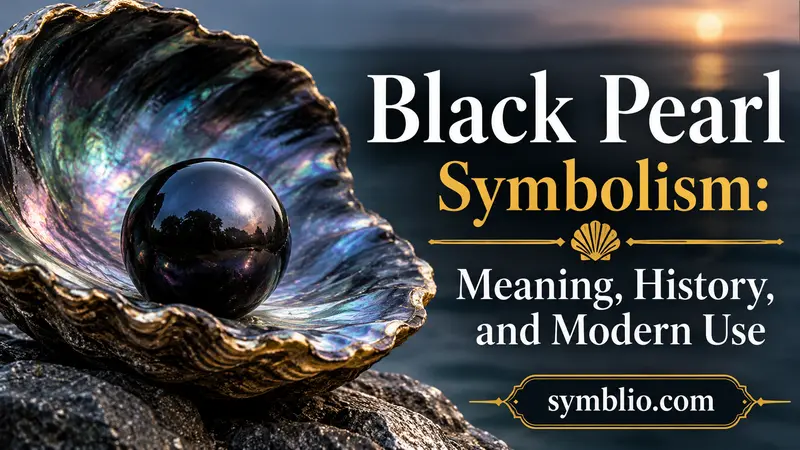
Black pearls are among the most distinctive varieties of pearls, recognized for their dark surfaces, subtle shine, and colorful iridescence. Unlike traditional white pearls, they can display shades of charcoal, silver, bronze, green, blue, and purple. Black pearl symbolism often centers on elegance, individuality, wisdom, resilience, and the beauty of being different.
Their appeal comes from more than their appearance. Black pearls have connections to Polynesian traditions, ancient pearl folklore, luxury jewelry, and modern fashion. Their unusual color has also helped them develop associations with sophistication and personal identity, particularly in contemporary American culture.
In the United States, people often choose black pearl jewelry to express confidence, refined taste, and a preference for something less conventional. Some appreciate their connection to the ocean, while others see them as reminders that beauty does not always have to follow familiar expectations.
Understanding their symbolism requires looking at their natural formation, cultural history, traditional stories, and changing place in modern society.
Quick Answer: What Does a Black Pearl Symbolize?
Black pearl symbolism commonly represents elegance, individuality, wisdom, resilience, and inner strength in modern American culture. Historically, black pearls have also been associated with Polynesian legends, oceanic beauty, rarity, prosperity, and spiritual protection.
TL;DR: Key Symbolic Meanings
- Elegance: Represents refined taste and understated luxury.
- Individuality: Celebrates uniqueness and personal expression.
- Resilience: Reflects beauty developed through natural formation.
- Wisdom: Connects with traditional pearl folklore and knowledge.
- Prosperity: Represents wealth, rarity, and good fortune.
- Mystery: Reflects the ocean’s depth and the pearl’s unusual appearance.
What Is a Black Pearl?
A black pearl is a naturally dark or dark-toned pearl produced by certain pearl-bearing mollusks. Its appearance can range from deep charcoal and metallic gray to dark green, blue, brown, and nearly black. Some have colorful overtones that become visible when light moves across their surfaces.
The best-known variety is the Tahitian cultured pearl, produced by the black-lipped pearl oyster (Pinctada margaritifera) in French Polynesia. Despite its name, a Tahitian pearl does not necessarily come from the island of Tahiti itself. Many are cultivated in lagoons surrounding other French Polynesian islands.
Black pearls are not always completely black. Their surfaces can display a combination of colors, sometimes creating a peacock-like appearance with green, blue, and purple reflections.
Their natural formation also contributes to their symbolic associations. A pearl develops as a mollusk deposits layers of nacre around a nucleus or other material. Over time, these layers create the smooth, reflective surface people recognize.
This gradual process provides a natural image of patience, development, and individuality. Each pearl has its own combination of color, shape, and surface characteristics.
The Core Symbolism of Black Pearls
Black pearls carry several related meanings, although their interpretations depend on cultural background and personal experience.
Their most common modern associations include:
Elegance and sophistication: Their dark appearance creates a refined alternative to conventional white pearl jewelry. They often communicate confidence without requiring elaborate decoration.
Individuality and originality: Their unusual coloration makes them stand apart from more familiar pearls. People may choose them to express personal taste and independence.
Resilience and personal growth: Their formation takes place gradually through natural processes. This makes them suitable symbols of patience, development, and the ability to create something valuable over time.
Wisdom and knowledge: Traditional pearl folklore connects pearls with wisdom. Black pearls extend this association through their distinctive appearance and connection to older cultural stories.
Mystery and depth: Their dark surfaces and changing reflections suggest the ocean’s hidden environments, encouraging associations with curiosity and the unknown.
These meanings are interpretations rather than universal rules. A person wearing a black pearl might value its appearance, cultural background, personal history, or emotional associations.
Ancient Origins of Pearl Symbolism
Pearls have been valued for thousands of years. Archaeological discoveries and historical records show that ancient societies treasured them as luxury objects long before modern jewelry industries developed.
A Chinese historical record mentions natural pearls as early as 2206 BCE. Pearls also appeared in the jewelry and possessions of wealthy communities in ancient Asia, the Middle East, and Europe.
In these societies, pearls frequently represented wealth, social position, beauty, and prestige. Their rarity made them especially desirable because people could not produce them through ordinary manufacturing methods.
Unlike gemstones extracted through mining, pearls formed inside living mollusks. Finding one required access to pearl-producing waters and considerable effort.
Black pearls developed their own associations because of their distinctive appearance and the regions where they were found. Natural dark pearls were known in parts of the Pacific, including Polynesia, as well as other coastal regions.
However, it is important to distinguish the general history of pearls from the more specific history of Tahitian black pearls. Many traditional pearl meanings apply to pearls of different colors, while certain legends and modern luxury associations relate specifically to darker varieties.
The connection between rarity and prestige remains an important part of how people understand black pearls today.
Black Pearls in Polynesian Culture and Legend
French Polynesia holds a particularly important place in the modern history and cultural identity of black pearls.
One well-known Polynesian legend connects the black pearl with Oro, a deity associated with war and peace. In versions of the story, Oro descended to Earth using a rainbow and presented a black pearl to a beautiful princess.
The story associates the pearl with divine generosity, love, and the extraordinary beauty of the natural world. Its rainbow connection also offers a traditional explanation for the colorful reflections that appear across certain black pearls.
Different retellings contain variations, and Polynesian traditions should not be treated as one uniform collection of beliefs. The stories are part of a wider cultural relationship with the ocean, islands, natural resources, and spiritual traditions.
Pearl-bearing oysters also became important to the region’s economic history. Their shells supplied mother-of-pearl for decorative objects, jewelry, and buttons.
During the nineteenth century, international demand for mother-of-pearl increased commercial harvesting. Later, the development of pearl cultivation helped establish black pearls as an important product associated with French Polynesia.
For modern audiences, this cultural background adds another dimension to their meaning. Black pearls can represent a connection to Pacific Island heritage, craftsmanship, and the natural environments that make their production possible.
What Black Pearls Symbolize in the United States
In the United States, black pearls are commonly associated with luxury, sophistication, personal style, and individuality.
White pearls have traditionally appeared in formal jewelry, bridal accessories, family heirlooms, and classic fashion. Black pearls offer a different visual impression. Their darker colors make them suitable for both traditional jewelry designs and contemporary personal styles.
American consumers may interpret them in several ways.
A sign of refined taste
Black pearl necklaces and earrings often appear in elegant jewelry collections. Their restrained appearance can communicate sophistication without depending on large decorative details.
A symbol of individuality
People who prefer unusual jewelry may choose black pearls because they differ from conventional white and cream varieties. Their distinctive appearance can represent independence and personal expression.
A connection to luxury
Tahitian pearls became increasingly recognized in the American luxury jewelry market during the 1970s. Their association with high-end designers helped establish them as desirable alternatives to traditional pearls.
A meaningful personal gift
A black pearl can represent admiration, appreciation, respect, or a special relationship. Its symbolism often depends on the intention behind the gift rather than a fixed cultural tradition.
Black pearls are not associated with one specific American holiday or national ceremony. Instead, their meaning comes primarily from fashion, jewelry traditions, personal milestones, and individual interpretation.
The Connection Between Black Pearls and Resilience
Resilience is one of the most interesting modern interpretations of black pearls.
Pearls develop gradually through a biological process in which a mollusk deposits nacre around a nucleus or other material. The resulting structure takes time to develop, producing a distinctive object with its own appearance.
People sometimes use this natural process as a metaphor for personal growth.
A black pearl can represent the idea that development takes patience and that individuality does not need to disappear to create something valuable.
This interpretation is particularly relevant when someone chooses pearl jewelry to mark an important personal milestone. Graduation, a new professional chapter, or a meaningful anniversary may give the jewelry additional emotional significance.
The pearl becomes a reminder of progress rather than simply an expensive accessory.
However, resilience is a modern symbolic interpretation, not a universal traditional belief about black pearls. Its importance depends on the meaning an individual assigns to the object.
Black Pearls as Symbols of Wisdom and Knowledge
Pearls have a long association with wisdom in different cultural traditions.
One familiar expression is “pearls of wisdom,” which describes valuable advice or knowledge. This connection appears in English-language culture and reflects older stories linking pearls with intelligence and special understanding.
In Chinese folklore, dragons are frequently associated with pearls. Stories and artwork sometimes depict dragons holding or pursuing precious pearls, which can represent wisdom, spiritual power, and knowledge.
Black pearls can carry these broader associations while adding their own visual qualities.
Their dark appearance may suggest reflection, maturity, and thoughtful judgment to modern viewers. Unlike bright decorative gemstones, they often communicate a quieter style of elegance.
For some people, wearing a black pearl represents a preference for thoughtful decisions over temporary attention.
A black pearl necklace given as a graduation gift, for example, might symbolize respect for someone’s education, personal development, and future opportunities.
These interpretations are personal rather than established rules, but they demonstrate how traditional pearl symbolism continues to influence modern gift-giving.
The Meaning of Mystery and the Ocean
The ocean plays an essential role in black pearl symbolism.
Pearls form inside marine or freshwater mollusks, and their connection to underwater environments gives them an association with nature, depth, and hidden beauty.
The dark surface of a black pearl can remind people of deep water, nighttime seas, and the changing colors of underwater landscapes.
This visual relationship helps explain why black pearls are sometimes interpreted as symbols of mystery.
Their reflective surfaces also create an interesting contrast. From one angle, a pearl may appear nearly black. From another, green, blue, silver, or purple colors become visible.
This changing appearance can represent complexity and the idea that something may have more qualities than are immediately apparent.
In contemporary American design, this interpretation appears in ocean-inspired jewelry, coastal decor, and artistic photography.
Black pearls can also appeal to people who feel connected to marine environments or appreciate the natural processes behind gemstones.
Their ocean connection makes them suitable symbols of curiosity, exploration, and appreciation for the natural world.
Black Pearl Symbolism in Love and Relationships
Black pearls can represent love, commitment, admiration, and lasting appreciation.
Traditional pearl jewelry has appeared in wedding customs and romantic gift-giving across different cultures. White pearls are particularly familiar in bridal fashion because of their associations with beauty and refinement.
Black pearls provide a more distinctive alternative.
In modern relationships, someone might choose black pearl jewelry because it reflects the recipient’s personal taste or because the unusual color represents a relationship that feels individual and meaningful.
Common romantic interpretations include:
- Lasting affection: Represents a relationship valued over time.
- Loyalty: Expresses dedication and mutual respect.
- Individuality: Celebrates the unique qualities of a partner.
- Maturity: Reflects a relationship built through shared experiences.
- Appreciation: Communicates admiration through a thoughtful gift.
A black pearl does not have one universally recognized meaning in engagement or wedding traditions. Its significance comes from the people involved and the reasons behind their choice.
In American gift-giving culture, black pearl earrings, pendants, or necklaces may mark anniversaries, birthdays, or other important occasions.
Black Pearls in Jewelry, Fashion, and Personal Style
Jewelry is the most familiar way people encounter black pearls today.
Their dark coloration makes them suitable for a range of designs, from traditional pearl necklaces to modern earrings and minimalist pendants.
In American fashion, black pearls are often appreciated because they work with different clothing styles. They can complement formal outfits, business clothing, and simpler everyday combinations.
Their symbolism also changes slightly depending on the jewelry design.
Necklaces: A black pearl necklace often represents sophistication, confidence, and understated luxury.
Earrings: Black pearl earrings can communicate refined taste and individuality through a relatively simple accessory.
Rings: A black pearl ring may represent personal identity, a meaningful milestone, or a preference for distinctive jewelry.
Bracelets: Black pearl bracelets can symbolize personal style, appreciation, or an important relationship.
Pendants: A single black pearl pendant may represent independence, personal growth, or a connection to the ocean.
Black pearls are also used in modern jewelry designs that combine them with gold, silver, diamonds, and other gemstones.
Their dark color creates contrast, allowing designers to explore different visual styles without losing the pearl’s recognizable luster.
Black Pearl Symbolism in Tattoos and Personal Identity
Black pearl tattoos are less conventional than flower, animal, or celestial designs, but they offer several possibilities for personal expression.
Someone might choose a black pearl tattoo to represent a personal milestone, individuality, or an appreciation for the ocean.
The design can also connect to Polynesian cultural imagery, although anyone considering cultural references should understand their origins and approach them respectfully.
Common personal interpretations include:
- Self-acceptance: Celebrating qualities that make someone different.
- Personal growth: Representing development through life experiences.
- Inner strength: Reflecting patience and perseverance.
- Wisdom: Recognizing the importance of experience and learning.
- Ocean connection: Expressing appreciation for marine life and coastal environments.
Some designs combine a black pearl with an oyster shell, waves, ocean imagery, or delicate ornamental details.
Others use a single pearl as a simple symbol.
There is no standard historical tattoo meaning for a black pearl. Its interpretation depends on the individual, the design, and any cultural elements included.
Black Pearl Symbolism Across Different Cultures
Pearls appear in many cultural traditions, although the specific meanings of black pearls are not identical across societies.
Understanding these differences helps separate widely recognized pearl symbolism from interpretations associated with particular colors or regions.
| Cultural context | Symbolic associations | Important distinction |
|---|---|---|
| Polynesian traditions | Ocean heritage, legends, and cultural identity | Specific black pearl stories vary |
| Chinese traditions | Wisdom, prosperity, and spiritual significance | General pearl and dragon symbolism |
| Japanese folklore | Beauty, mythical creatures, and precious gifts | Many stories concern pearls generally |
| Indian traditions | Auspiciousness, beauty, and traditional jewelry | Meanings vary across religious and regional practices |
| Modern American culture | Luxury, individuality, and sophistication | Primarily fashion and personal interpretation |
In Chinese traditions, pearls appear in stories about dragons and wisdom. Their association with prosperity and valuable knowledge extends beyond any single pearl color.
Japanese folklore includes stories connecting pearls with mythical beings and the natural world. Some traditions describe pearls as the tears of supernatural creatures.
In Indian traditions, pearls have appeared in jewelry, religious imagery, and ceremonial customs. Their associations can include beauty, prosperity, and auspicious occasions.
Polynesian traditions are especially relevant to black pearls because of the cultural and economic importance of pearl-bearing oysters in the Pacific.
These traditions should not be combined into one universal belief. A symbol may have different meanings depending on its historical and cultural setting.
Emotional and Psychological Meaning of Black Pearls
The emotional meaning of black pearls often comes from the contrast between their dark appearance and their reflective surface.
In modern color interpretation, black is frequently associated with sophistication, authority, formality, and mystery. It can also suggest seriousness or restraint.
Pearls, on the other hand, are commonly connected with refinement, beauty, and delicacy.
Combining these visual qualities creates an interesting symbolic impression.
A black pearl can communicate elegance without appearing overly decorative. It can suggest confidence while maintaining a relatively understated appearance.
Its unusual coloration may also appeal to people who prefer objects that express individuality rather than follow conventional fashion choices.
For some, the pearl represents a connection to a particular memory or relationship. A family member might pass down a black pearl pendant, making it a symbol of family history and continuity.
Others may associate it with a personal achievement or an important period of change.
Psychologically, these meanings are shaped by personal experience, cultural learning, and individual preferences. There is no scientific evidence that wearing a black pearl automatically produces confidence, wisdom, or emotional strength.
Its value as a symbol comes from what the wearer chooses to associate with it.
Common Misunderstandings About Black Pearls
Black pearls are sometimes surrounded by assumptions that confuse their physical characteristics, historical background, and symbolic meaning.
Understanding these differences helps readers appreciate them more accurately.
Misunderstanding 1: All black pearls are naturally black.
Not every dark pearl has natural dark coloration. Some pearls, including certain freshwater and Akoya varieties, are treated to achieve a darker appearance. Tahitian pearls are particularly recognized for their naturally occurring dark body colors.
Misunderstanding 2: Every black pearl comes from Tahiti.
Tahitian pearls are the best-known black pearl variety, but dark pearls can come from other regions and mollusks. Their origins should be identified through accurate gemological information.
Misunderstanding 3: Black pearls always symbolize mystery or sadness.
Their dark appearance may encourage those associations, but their modern meanings are generally broader. Elegance, individuality, wisdom, and prosperity are also common interpretations.
Misunderstanding 4: Black pearls have one universal spiritual meaning.
Different cultures have their own pearl traditions. There is no single belief that applies to everyone.
Misunderstanding 5: Cultured pearls are imitation pearls.
Cultured pearls are genuine pearls formed through human-assisted cultivation. They are different from artificial imitations, which are manufactured to resemble real pearls.
These distinctions matter because the actual history and characteristics of a pearl are separate from the meanings people attach to it.
How Black Pearl Symbolism Has Evolved in Modern Culture
The modern popularity of black pearls reflects changes in jewelry production, international trade, and fashion.
For much of the twentieth century, many American jewelry buyers were more familiar with white and cream pearls. Dark pearls were less established in the luxury market, and their unusual coloration sometimes created uncertainty among traditional jewelers.
That situation changed as Tahitian pearl cultivation developed commercially during the 1960s.
In the 1970s, international jewelry promotion helped introduce Tahitian pearls to prominent American luxury retailers. Their distinctive appearance gradually gained acceptance among designers and customers.
This shift helped change their public image.
Black pearls became associated not only with their Pacific origins but also with contemporary luxury, individual style, and refined fashion.
Today, they appear in traditional jewelry collections, modern designer pieces, and personal accessories. Their symbolism continues to evolve as people use them to communicate different aspects of identity.
Social media and digital fashion culture have also made unusual jewelry styles more visible. Black pearls fit comfortably into aesthetics that favor darker colors, minimalist accessories, and distinctive natural materials.
Their modern meaning is therefore not limited to ancient legends or traditional beliefs. It also reflects changing ideas about beauty, originality, and personal expression.
FAQs
Black pearls are sometimes interpreted as symbols of wisdom, protection, personal growth, and connection with nature. These spiritual associations vary between traditions and should not be treated as universal religious beliefs.
Some people associate black pearls with good fortune, prosperity, and protection because of broader pearl folklore. However, there is no universal tradition establishing black pearls as guaranteed symbols of luck.
A black pearl necklace commonly represents elegance, individuality, sophistication, and personal style. When given as a gift, it can also communicate admiration, appreciation, or lasting affection.
In a relationship, a black pearl may represent loyalty, commitment, maturity, and appreciation for someone’s individuality. Its meaning often depends on the occasion and the intention behind the gift.
Their dark coloration, reflective surfaces, and connection to underwater environments encourage associations with mystery and the unknown. Their changing green, blue, and purple reflections also contribute to this interpretation.
Not automatically. Pearl value depends on factors such as size, shape, luster, surface quality, color, origin, and market demand. Exceptional Tahitian pearls can command high prices, but some white pearls are equally or more valuable.
Tahitian pearls are closely connected with French Polynesia’s marine environments, cultural heritage, and pearl-farming industry. Their commercial development also helped establish dark pearls as an internationally recognized luxury jewelry category.
Conclusion
Black pearls represent a combination of elegance, individuality, wisdom, resilience, and natural beauty. Their dark colors distinguish them from traditional pearl varieties, while their cultural history connects them to Polynesian legends, ancient pearl traditions, and the modern luxury jewelry industry.
In the United States, black pearl symbolism is particularly associated with refined taste, personal expression, and the appreciation of distinctive beauty. Their meanings also extend to love, personal milestones, and connections with the natural world.
Ultimately, a black pearl does not need to represent just one idea. Its significance can come from its cultural origins, its unusual appearance, or the personal experiences attached to it.