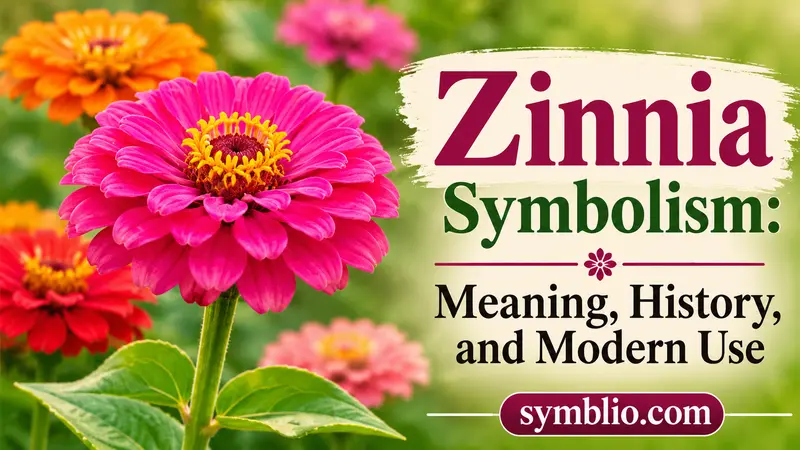
Zinnias are colorful flowering plants admired for their bright petals, long-lasting blooms, and ability to bring life to gardens. Available in shades of pink, red, orange, yellow, purple, and white, these flowers are popular in home gardens, bouquets, and decorative arrangements. Beyond their appearance, zinnia symbolism connects them with lasting affection, friendship, remembrance, happiness, and endurance.
In American culture, zinnias are often associated with cheerful summer days, meaningful relationships, and the simple pleasure of enjoying nature. Their colorful appearance makes them suitable for celebrations, thoughtful gifts, and personal garden spaces.
The flower also has an interesting history. Its origins in Mexico, development in European gardens, and association with Victorian flower traditions have contributed to the meanings people recognize today. Understanding these connections explains why zinnias can represent both happiness and remembrance.
Quick Answer:
Zinnia commonly symbolizes lasting affection, friendship, remembrance, happiness, and endurance in modern American culture. Historically, Victorian flower traditions associated it with thoughts of absent friends and enduring affection, while its colorful, long-lasting blooms helped establish its modern connections with joy and perseverance.
TL;DR:
- Lasting affection: Represents relationships that remain meaningful over time.
- Friendship: Expresses loyalty, companionship, and appreciation.
- Remembrance: Connects people with memories of absent friends and loved ones.
- Endurance: Reflects determination and the ability to continue growing.
- Happiness: Its colorful blooms suggest optimism and enjoyment of life.
- Personal expression: Different flower colors communicate different emotions.
What Does a Zinnia Flower Look Like?
Zinnias belong to the Asteraceae family, which also includes daisies and sunflowers. Their flowers have a central cluster of tiny disk florets surrounded by colorful ray florets that look like petals.
Some varieties have simple, daisy-like flowers, while others produce densely layered blooms resembling dahlias. Their stems grow upright, and their leaves are generally green with a slightly rough texture.
Zinnias come in many sizes and colors, making them popular choices for gardens and floral arrangements. They are also known for flowering generously during warm weather.
Their physical characteristics contribute to several symbolic interpretations:
- Bright colors suggest happiness, optimism, and enthusiasm.
- Long-lasting blooms represent enduring affection and remembrance.
- Strong stems suggest determination and stability.
- Repeated flowering reflects renewal and continued growth.
- Multiple blossoms can represent friendship and community.
These characteristics help explain why zinnias are often associated with positive emotions and meaningful relationships.
The Core Symbolism of Zinnia Flowers
Zinnias have several symbolic meanings, but their most recognizable associations involve affection, friendship, remembrance, and happiness.
Lasting affection is one of their traditional meanings. It represents feelings that remain important even when people become separated or circumstances change.
Friendship reflects the flower’s historical association with absent friends. Giving someone zinnias can communicate that the relationship remains meaningful despite physical distance.
Remembrance gives the flower a more reflective interpretation. It can represent memories of important relationships, shared experiences, and people who continue to influence someone’s life.
Endurance is another common association. Zinnias are appreciated for their ability to flower throughout the warm growing season, making them a natural metaphor for persistence.
Together, these meanings give zinnias a balance of emotional warmth, loyalty, and resilience.
Ancient Roots and Mexican Origins
Zinnias originated in the Americas, particularly Mexico and neighboring regions. Wild species grew naturally in these areas long before European gardeners began cultivating them.
The common garden zinnia, Zinnia elegans, is native to Mexico. Over time, botanical exploration and cultivation introduced these flowers to other parts of the world.
The genus name honors Johann Gottfried Zinn, an eighteenth-century German professor of anatomy and botany. Carl Linnaeus named the genus in his honor.
European gardeners gradually developed new varieties with larger flowers, additional petal arrangements, and a wider range of colors. These developments transformed zinnias into popular ornamental plants.
Their Mexican origins remain an important part of their botanical history. However, it is important not to confuse their place of origin with the later symbolic meanings assigned to them in European and American floral traditions.
Not every modern interpretation of zinnias comes from an ancient Mexican religious or spiritual belief. Many familiar associations developed through nineteenth-century flower dictionaries and modern gardening culture.
Zinnia Symbolism in Victorian Flower Traditions
During the nineteenth century, flowers became an important form of emotional communication in Britain and the United States.
This practice, commonly known as floriography, involved assigning meanings to flowers and using bouquets to express feelings that people might not communicate directly.
Victorian society placed considerable importance on manners, romantic expression, and social expectations. Flowers provided a discreet way to communicate affection, admiration, remembrance, and other emotions.
Zinnias became associated with thoughts of absent friends and lasting affection in historical flower dictionaries.
Some Victorian interpretations also assigned different meanings to individual colors:
- Magenta zinnias represented lasting affection.
- Scarlet zinnias suggested constancy.
- White zinnias represented goodness.
- Yellow zinnias communicated daily remembrance.
These associations helped establish the flower’s emotional identity.
However, Victorian flower meanings were not completely standardized. Different publications sometimes assigned different interpretations to the same flower or color.
The association between zinnias and absent friends remains one of their most recognizable historical meanings.
What Zinnias Mean in American Culture
In the United States, zinnias are widely recognized as cheerful garden flowers associated with summer, friendship, and happiness.
Their popularity comes partly from their accessibility. They grow in many home gardens, appear at farmers’ markets, and are frequently included in informal floral arrangements.
Unlike flowers strongly connected with one particular occasion, zinnias fit several different settings.
In home gardens, they suggest warmth, creativity, and enjoyment of outdoor spaces. In bouquets, they can express appreciation, affection, and friendship.
At celebrations, their colorful appearance contributes to a welcoming atmosphere. As personal gifts, they can communicate that someone is remembered and appreciated.
Zinnias also have an important place in American gardening traditions. They are relatively easy to grow from seed and attract pollinators, including butterflies.
For many families, planting zinnias is a seasonal activity that connects people with nature, gardening, and shared outdoor experiences.
Their symbolism in America is therefore both emotional and practical. They represent positive relationships while remaining familiar flowers in everyday life.
The Symbolism of Different Zinnia Colors
Color plays an important role in how people interpret zinnias. Historical flower dictionaries assigned particular messages to certain shades, while modern interpretations also draw on broader cultural associations with color.
These meanings are best understood as symbolic suggestions rather than universal rules.
Red Zinnia: Constancy and Affection
Red zinnias suggest strong affection, commitment, and emotional consistency.
Their traditional association with constancy makes them appropriate for representing relationships built on trust and continued devotion.
In modern floral arrangements, red flowers can also communicate admiration and warmth.
Pink Zinnia: Appreciation and Tenderness
Pink zinnias are commonly associated with gentleness, gratitude, and affectionate feelings.
They work well in arrangements intended to recognize someone’s kindness or celebrate a meaningful friendship.
Their soft appearance also makes them popular for welcoming celebrations and thoughtful gifts.
Yellow Zinnia: Remembrance and Happiness
Yellow zinnias have an interesting historical association with daily remembrance.
In modern color symbolism, yellow is also connected with sunshine, optimism, and cheerful companionship.
These associations make yellow zinnias suitable for remembering someone while celebrating positive shared experiences.
Orange Zinnia: Enthusiasm and Creativity
Orange zinnias suggest energy, enthusiasm, and creativity.
Their vivid appearance makes them natural choices for informal celebrations, summer decorations, and arrangements intended to communicate excitement.
They can also represent confidence and an appreciation for new experiences.
White Zinnia: Goodness and Simplicity
White zinnias traditionally carried an association with goodness.
Modern floral interpretations also connect white flowers with sincerity, simplicity, and peaceful intentions.
They create elegant arrangements without relying on dramatic colors.
Purple and Magenta Zinnia: Lasting Affection and Individuality
Magenta zinnias have a documented association with lasting affection in Victorian flower traditions.
Purple varieties can also suggest creativity, individuality, and admiration in contemporary floral design.
Their distinctive appearance makes them attractive choices for people who appreciate expressive floral arrangements.
Zinnia Symbolism in Friendship and Relationships
One of the most meaningful associations of zinnias is their connection with friendship.
Their historical relationship with absent friends gives them a special place among flowers used to communicate affection across distance.
A person might choose zinnias for a friend who has moved to another city, a relative who lives far away, or someone they have not seen for a long time.
The message does not necessarily involve sadness. Instead, it communicates that separation has not weakened the relationship.
Zinnias can also represent different stages of friendship.
New friendships can be celebrated with colorful arrangements that express excitement about a growing connection. Long-term friendships can be represented through their traditional association with lasting affection.
For distant friendships, their remembrance symbolism communicates continued appreciation. Within families, they can represent shared memories and enduring emotional connections.
In romantic relationships, zinnias can suggest steady affection rather than dramatic passion. They are particularly appropriate when someone wants to celebrate companionship, appreciation, and a relationship that has developed over time.
Emotional and Psychological Meaning of Zinnias
Flowers often communicate emotions through their colors, shapes, and cultural associations. Zinnias are particularly connected with positive emotional expression.
Their bright appearance can remind people of summer, outdoor activities, family gardens, and enjoyable experiences.
Several emotional themes are commonly associated with them.
Optimism: Their vivid colors suggest an appreciation for positive possibilities.
Emotional resilience: Their continued flowering makes them a useful metaphor for maintaining hope and determination.
Belonging: Their association with friendship reflects the importance of companionship and supportive relationships.
Nostalgia: Their historical connection with absent friends can bring back memories of people and experiences from the past.
Gratitude: Giving someone zinnias can communicate appreciation without requiring an elaborate explanation.
These associations do not mean that looking at flowers produces a guaranteed psychological effect. Their emotional meaning depends on individual experiences, cultural background, and personal interpretation.
Someone who remembers a family garden filled with zinnias may associate them with childhood memories, while another person may simply connect them with cheerful summer afternoons.
Both interpretations are meaningful because personal experiences influence how people understand flowers.
Zinnia Symbolism in Different Cultures
Zinnias have a botanical history rooted in Mexico, but their symbolic interpretations developed through different cultural settings.
Understanding these distinctions helps prevent one tradition from being treated as universal.
Mexican origins: Zinnias are native to Mexico and have a long botanical history in the region. Their origin is well established, although popular modern meanings should not automatically be attributed to ancient Mexican spiritual traditions.
European floral traditions: Nineteenth-century British and European flower dictionaries helped establish associations with absent friends, lasting affection, and remembrance.
American interpretations: In the United States, zinnias are commonly appreciated for their cheerful appearance, friendship associations, and use in summer gardens.
Contemporary international use: Zinnias are cultivated in many parts of the world. Their meanings vary according to local customs, personal experiences, and the circumstances in which they are given.
An important distinction concerns Mexico’s Day of the Dead celebrations. Marigolds, particularly Mexican marigolds, have a much stronger traditional association with these observances than zinnias.
Although zinnias may appear in contemporary floral displays and gardens, they should not be presented as having the same established ceremonial role as marigolds.
Zinnia Symbolism in Gardening and Home Decor
Zinnias are popular in American gardening because they provide abundant color and work well in different landscape designs.
Their decorative appeal also contributes to their symbolism in homes and outdoor spaces.
In cottage gardens, they suggest natural beauty and a relaxed approach to gardening. Their varied colors create informal arrangements that feel welcoming rather than overly formal.
In farmhouse-style interiors, cut zinnias can introduce seasonal color and a connection with outdoor living.
They also work well in summer dining arrangements, backyard celebrations, kitchen decorations, seasonal flower displays, and community gardens.
For gardeners, growing zinnias can represent patience and personal effort. Starting with seeds and watching plants develop into flowering specimens offers a visible reminder of growth.
Their popularity is not based on symbolism alone. They are also relatively straightforward annuals to cultivate and provide nectar and pollen for visiting pollinators.
Zinnias in Modern Gifts, Tattoos, and Personal Expression
Modern floral symbolism extends beyond gardens and bouquets. People use flowers in jewelry, artwork, tattoos, stationery, and personal decorations.
Zinnias are particularly suitable for these forms of expression because their meanings are generally positive and flexible.
Zinnia Tattoos
A zinnia tattoo can represent lasting affection, friendship, personal resilience, or remembrance.
Someone might choose the flower to honor an important friendship or preserve a connection with someone who lives far away.
Others may appreciate the flower because it reminds them of a family garden or a memorable period in their lives.
The color can add another layer of personal meaning. For example, a magenta design might represent lasting affection, while a yellow flower might communicate remembrance and happiness.
Zinnia Jewelry
Floral pendants, earrings, and bracelets inspired by zinnias can represent appreciation, personal identity, and emotional connections.
A small flower design can serve as a reminder of a friendship or a meaningful experience.
Zinnia-Inspired Art
Artists use zinnias in paintings, illustrations, prints, and decorative patterns.
Their layered petals and vivid colors make them attractive subjects for botanical artwork.
Social Media and Digital Culture
On social media, zinnia photographs frequently appear in gardening posts, summer collections, floral arrangements, and nature-inspired content.
Their cheerful appearance makes them suitable for expressing gratitude, celebrating seasonal changes, and sharing everyday moments.
In these modern settings, the flower’s meaning is often personal rather than dependent on traditional floral dictionaries.
Zinnia Symbolism in Literature and Art
Zinnias have also found a place in literature, botanical illustration, and American visual culture.
Their colorful appearance makes them useful subjects for artists interested in nature, domestic gardens, and seasonal change.
In literary and artistic settings, flowers often function as visual reminders of relationships, memory, and the passage of time.
Zinnias can support these themes through their combination of bright colors and associations with absent friends.
Their history also includes a connection with American folk art. The African American artist Clementine Hunter, known for paintings inspired by rural Louisiana life, created works depicting flowers and everyday scenes.
Her art demonstrates how ordinary subjects can become part of a broader artistic record of community, domestic life, and personal experience.
The flower’s presence in art is not limited to one interpretation. Depending on the artist, zinnias can represent family memories, seasonal beauty, domestic life, or the pleasure of observing nature.
Common Misunderstandings About Zinnia Symbolism
Although zinnias have several recognized symbolic associations, some modern interpretations exaggerate their historical or cultural importance.
Understanding the difference between established traditions and personal interpretations makes their symbolism more meaningful.
Zinnias have one universal meaning.
They do not. Their meanings differ between historical flower dictionaries, contemporary floral practices, and individual experiences.
Every zinnia color has an ancient spiritual meaning.
Many familiar color interpretations come from nineteenth-century floral traditions or modern color associations. They should not automatically be described as ancient beliefs.
Zinnias are traditional Day of the Dead flowers.
Marigolds have a much more established role in Mexican Day of the Dead traditions. Zinnias should not be confused with this important cultural association.
Zinnias only symbolize happiness.
Their bright appearance suggests cheerfulness, but their historical connection with absent friends also gives them a reflective meaning.
A zinnia always communicates romantic love.
Zinnias are equally suitable for friendship, family affection, appreciation, and remembrance.
Recognizing these differences prevents the flower from being reduced to a single decorative message.
How Zinnia Symbolism Has Evolved Over Time
The meaning of zinnias has developed alongside their movement from wild plants to cultivated garden flowers.
Their earliest botanical history belongs to the natural landscapes of Mexico and neighboring regions. As botanical exploration expanded, European gardeners became interested in cultivating and improving them.
During the nineteenth century, the language of flowers introduced a more specific emotional vocabulary. Zinnias became associated with absent friends, lasting affection, and remembrance.
Later developments in American gardening changed how people encountered the flower. Plant breeding created additional colors and flower forms, making zinnias popular in home gardens and commercial floral displays.
During the twentieth century and into the present, their symbolism became less dependent on formal floral dictionaries.
Today, people frequently interpret zinnias through their appearance, personal experiences, and traditional associations.
Their continued popularity reflects this flexibility. They can represent a happy celebration, a meaningful friendship, or memories of someone who remains important.
The flower has not lost its historical associations. Instead, those meanings now exist alongside newer interpretations shaped by modern American life.
Zinnia Symbolism by Context: A Quick Comparison
| Context | Symbolic Meaning | Common Associations |
|---|---|---|
| Friendship | Lasting affection | Loyalty and companionship |
| Remembrance | Thoughts of absent friends | Memories and emotional connection |
| Romantic relationships | Steady affection | Commitment and constancy |
| Gardening | Endurance and happiness | Growth and seasonal beauty |
| Tattoos | Personal remembrance | Identity and meaningful relationships |
| Home decor | Cheerfulness | Warmth and appreciation |
FAQs
Zinnias can represent remembrance, enduring affection, personal resilience, and appreciation for life. These interpretations are primarily symbolic and personal rather than universal religious teachings.
A zinnia tattoo commonly represents lasting friendship, affection, remembrance, or perseverance. Some people choose it to honor an important relationship or preserve a personal memory.
Yes. Zinnias have a historical association with thoughts of absent friends, making them appropriate flowers for expressing lasting friendship. They can communicate that someone remains important even when distance separates people.
Yellow zinnias traditionally represent daily remembrance in Victorian flower symbolism. Their bright color also suggests happiness, optimism, and cheerful companionship in modern floral arrangements.
Yes. One of their best-known historical associations is remembering absent friends. They can also represent appreciation for people and experiences that remain meaningful over time.
Zinnias are generally associated with positive ideas, including friendship, happiness, affection, and endurance. Their remembrance symbolism can introduce a reflective or nostalgic element without making the flower a negative symbol.
Giving someone zinnias can communicate appreciation, friendship, affection, or remembrance. The intended message depends on the relationship, flower color, and personal significance of the gift.
Conclusion
Zinnias represent much more than colorful summer flowers. Their symbolism connects lasting affection, friendship, remembrance, happiness, and endurance through a combination of botanical characteristics and historical floral traditions.
Their Mexican origins, nineteenth-century associations with absent friends, and popularity in American gardens have all contributed to the meanings people recognize today. Whether they appear in a garden, a bouquet, a painting, or a tattoo, their interpretation often reflects the importance of meaningful relationships and personal memories.
Ultimately, zinnia symbolism reminds us that affection does not depend on distance, happiness can be found in ordinary experiences, and meaningful connections can remain important long after circumstances change.