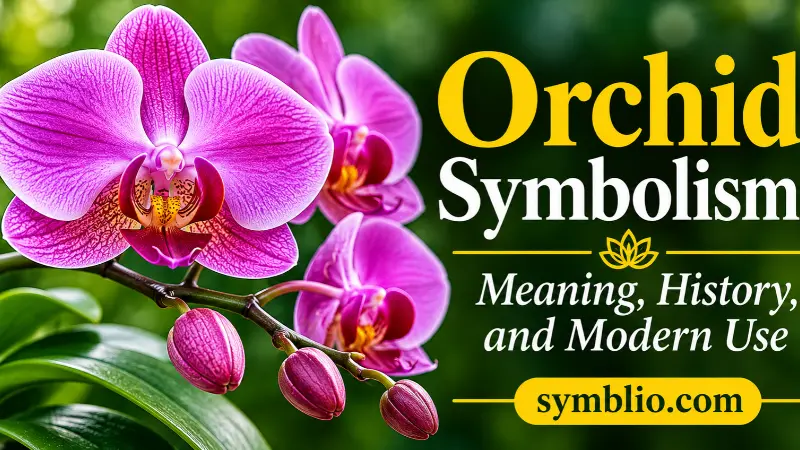
Orchids are admired for their unusual shapes, graceful stems, and remarkable variety of colors. They appear in gardens, homes, wedding arrangements, artwork, and thoughtful gifts. Orchid symbolism commonly connects these flowers with beauty, elegance, love, admiration, and personal strength. However, their meaning reaches beyond their attractive appearance.
In the United States, people often give orchids to celebrate birthdays, anniversaries, achievements, and other important occasions. Their refined appearance makes them suitable for both romantic gestures and expressions of appreciation. Some people also grow orchids because they enjoy their distinctive flowers and the patience involved in caring for them.
Orchids have a long cultural history as well. Ancient Greek beliefs connected them with fertility, Victorian society associated them with romance and luxury, and Chinese artistic traditions linked them with integrity and noble character. These different traditions explain why orchids can communicate several ideas at once.
Quick Answer
Orchids commonly symbolize beauty, elegance, love, and admiration in modern American culture, especially in gifts, weddings, and home decoration. Historically, different cultures have also connected them with fertility, refinement, romance, and personal virtue.
TL;DR
- Orchids represent beauty, elegance, admiration, and affection.
- Ancient Greek traditions connected orchids with fertility and reproduction.
- Victorian culture associated orchids with romance, luxury, and refinement.
- Chinese art linked orchids with integrity and noble character.
- Different orchid colors carry different popular associations.
- Modern Americans use orchids in gifts, tattoos, weddings, and decor.
What Makes an Orchid Recognizable?
An orchid belongs to the botanical family Orchidaceae, one of the largest flowering plant families in the world. Orchids grow in many environments, from tropical forests to temperate regions. Their flowers display an extraordinary range of shapes, sizes, and colors.
Most orchid flowers have three sepals and three petals. One petal often develops into a distinctive structure called the lip, which gives the flower much of its recognizable appearance. Some varieties look delicate and symmetrical, while others have unusual patterns that resemble insects or other natural forms.
Their appearance helps explain their popularity as symbols. The graceful structure suggests elegance, while their remarkable variety can represent individuality and uniqueness.
People commonly encounter orchids in:
- Florist arrangements and special-occasion bouquets.
- Botanical gardens and indoor plant collections.
- Wedding decorations and event displays.
- Paintings, illustrations, and textile designs.
- Jewelry, clothing, and decorative artwork.
Although people often describe orchids as delicate, many varieties adapt successfully to specialized environments. Their ability to grow under different conditions also makes them suitable symbols of patience and resilience.
The Main Symbolic Meanings of Orchids
Orchids carry several meanings that developed through botanical characteristics, cultural beliefs, literature, and artistic traditions.
Beauty and elegance: Their unusual structure and graceful appearance make orchids familiar symbols of visual beauty. In modern American culture, people often choose them to express admiration and appreciation.
Love and affection: Orchids can communicate attraction, tenderness, and romantic interest. Their distinctive appearance also makes them an appealing alternative to traditional roses.
Strength and resilience: Some orchid species adapt to challenging environments. Consequently, people may associate them with perseverance, patience, and the ability to adjust.
Fertility and abundance: Ancient Greek beliefs connected certain orchid roots with reproduction and fertility. These associations helped establish the flower’s historical connection with physical vitality.
Refinement and integrity: Chinese artistic traditions linked orchids with the qualities of a principled and cultivated person. Their understated beauty represented character rather than outward display.
Luxury and distinction: During the Victorian era, rare orchids became fashionable among wealthy collectors. Their expense and cultivation challenges helped establish their association with exclusivity.
The meaning depends on the setting. For example, an orchid given as an anniversary present may communicate affection, while an orchid in traditional Chinese artwork may represent moral refinement.
Ancient Greek Origins and the Association With Fertility
Some of the earliest recorded Western associations with orchids come from ancient Greece. The Greek word orchis referred to a testicle because certain orchid species have underground tubers that resemble this part of the human body.
Ancient writers connected these roots with fertility and reproduction. Traditional beliefs suggested that consuming particular orchid tubers could influence whether someone conceived a boy or a girl. These ideas reflected ancient medicine and folklore rather than scientific evidence.
The association with fertility eventually became part of the orchid’s cultural identity. Its unusual botanical features also influenced the way people interpreted the plant.
Ancient Mediterranean art may contain representations of orchid-like flowers and roots. However, identifying specific plants in old artwork can be difficult, so historians must distinguish confirmed botanical evidence from possible interpretations.
This history explains why fertility appears in discussions of orchid symbolism. Nevertheless, it represents only one part of the flower’s cultural story.
Orchids in Chinese Culture: Integrity and Noble Character
Chinese artistic and literary traditions give the orchid an association with personal virtue, refinement, and integrity.
The orchid belongs to the Four Gentlemen of Chinese art, together with the plum blossom, bamboo, and chrysanthemum. These four plants represent qualities admired by scholars, painters, and writers. The orchid commonly expresses modesty, refinement, and the character of a principled person.
Its appearance helps explain this interpretation. Some wild orchids produce relatively modest flowers that people may overlook at first. Their beauty does not depend on an extravagant display, making them suitable images of quiet excellence.
Traditional Chinese paintings often show an orchid with a few carefully drawn leaves and flowers. Artists use these simple compositions to express balance, restraint, and cultivated taste.
This interpretation differs from the Western emphasis on romance and luxury. Instead of representing wealth or physical attraction, the orchid can communicate the importance of good character.
Today, this association continues in Chinese-inspired paintings, calligraphy, ceramics, and decorative designs.
Victorian Orchids: Romance, Desire, and Social Status
Orchids became especially fashionable in nineteenth-century Europe and North America. Improvements in transportation, plant collecting, and greenhouse cultivation introduced more exotic varieties to wealthy households and botanical collections.
However, rare orchids remained expensive and difficult to obtain. Wealthy collectors competed to acquire unusual varieties, and impressive displays became signs of taste and social distinction.
The flower also gained romantic associations. Victorian flower language offered people a way to communicate feelings through bouquets. Orchids became connected with attraction, desire, and refinement.
Different Victorian flower dictionaries sometimes assigned different meanings to the same flower. Therefore, historians should not treat every traditional flower meaning as a universal rule.
Orchids consequently occupied two important roles during this period. People admired them as rare botanical treasures and used them to express romantic interest. Their association with elegance and luxury continued into later decorative and gift-giving traditions.
What Orchids Commonly Mean in the United States
In contemporary American culture, orchids often express admiration, appreciation, and affection. Their elegant appearance makes them suitable when someone wants to give a distinctive flower for a meaningful occasion.
Americans display orchids in homes, offices, hotels, restaurants, and event spaces. A flowering orchid can add color to a room while creating a polished and welcoming atmosphere.
People may also associate orchids with several occasions:
- Celebration: Birthdays, anniversaries, graduations, and achievements.
- Romance: Expressions of affection and admiration.
- Hospitality: Decorative arrangements that make a space welcoming.
- Achievement: Gifts that recognize someone’s effort or success.
- Appreciation: Thoughtful gestures toward friends, relatives, teachers, or colleagues.
Orchids also appear in American wedding arrangements. Their different colors allow couples and event planners to incorporate them into traditional, modern, and tropical designs.
However, Americans do not follow one strict interpretation. One person may choose an orchid because it represents affection, while another may simply appreciate its appearance.
The Meaning of Different Orchid Colors
Orchid colors influence how people interpret the flower, especially when they give it as a gift. These associations represent popular floral conventions rather than universal rules.
White Orchids
White orchids commonly represent purity, grace, respect, and simplicity. Their clean appearance makes them popular for weddings, formal arrangements, and thoughtful gifts. They can also communicate sympathy and remembrance in suitable floral displays.
Pink Orchids
Pink orchids often suggest affection, admiration, tenderness, and appreciation. They make thoughtful gifts for birthdays, romantic occasions, and people whose company someone values.
Purple Orchids
Purple orchids commonly represent dignity, admiration, luxury, and distinction. Their rich color makes them popular in formal arrangements and decorative displays.
Yellow Orchids
Yellow orchids can represent friendship, optimism, happiness, and encouragement. Their cheerful appearance makes them suitable for celebrating achievements or sending someone a positive message.
Red Orchids
Red orchids may suggest passion, attraction, courage, and strong affection. Their vivid color makes them suitable for expressive arrangements, although the intended message depends on the occasion.
Blue Orchids
Blue orchids often suggest rarity, individuality, and unusual beauty. Some blue orchids sold by florists receive artificial coloring rather than developing naturally blue flowers. Their distinctive appearance can therefore communicate creativity and personal style.
Orchids and Their Connection With Love and Relationships
People frequently choose orchids to express affection because their appearance combines elegance with individuality. Unlike flowers with one dominant popular association, orchids can communicate several forms of appreciation.
A romantic partner might give an orchid to celebrate an anniversary or express admiration. Similarly, a family member may choose one for a birthday, while a friend may give a colorful variety as encouragement.
Orchids also suit relationships where the giver wants to express respect rather than intense romance. For instance, a tasteful orchid arrangement can make an appropriate thank-you gift or professional gesture.
In weddings, orchids complement bouquets, table arrangements, and ceremony decorations. Their association with beauty and refinement makes them suitable for formal celebrations.
Still, an orchid does not automatically communicate romantic interest. The relationship, occasion, and accompanying message usually matter more than the flower alone.
Strength, Resilience, and the Ability to Adapt
People sometimes describe orchids as fragile because of their delicate flowers. However, their natural diversity tells a more interesting story.
Different orchid species have adapted to a wide range of environments. Some grow on trees without taking nutrients from them, while others grow in soil or among rocks. Each species has its own growing requirements.
This adaptability provides a reasonable foundation for interpreting orchids as symbols of resilience. A flower that looks delicate can belong to a plant that survives in a specialized environment.
As a personal symbol, an orchid may represent:
- Continuing through a period of uncertainty.
- Adjusting to an unfamiliar environment.
- Developing patience while pursuing a goal.
- Finding opportunities despite limitations.
- Recognizing that strength does not always look dramatic.
This interpretation appears in personal gifts and artwork. Someone may choose an orchid to recognize another person’s determination or mark an important period of personal growth.
However, people should not assume that every orchid is easy to grow. Some varieties require careful attention and specific conditions.
Orchids in Weddings, Celebrations, and Important Events
Orchids hold an important place in formal floral design. Their distinctive flowers can create an elegant display without requiring large quantities of blooms.
In American weddings, orchids often appear in bridal bouquets, centerpieces, ceremony arrangements, and decorative installations. White and pink varieties suit soft, understated themes, while purple and brightly colored varieties create more noticeable displays.
Their symbolism supports several wedding themes:
- Love and affection: A reference to the relationship being celebrated.
- Elegance: A refined floral choice for a formal occasion.
- Commitment: A personal association with patience and care.
- Individuality: A distinctive alternative to familiar wedding flowers.
People also give orchids for graduations, retirement celebrations, housewarmings, and professional milestones. In these situations, the flower can communicate congratulations, respect, and appreciation.
Most importantly, the recipient’s preferences should guide the choice. Traditional symbolism can add meaning, but a thoughtful gift should also reflect the person receiving it.
The Emotional and Psychological Associations of Orchids
Flowers often remind people of particular places, relationships, and experiences. Orchids can create strong personal associations because people frequently give them for meaningful occasions or grow them at home.
Their appearance may suggest calm, order, and refinement. A flowering orchid on a desk or windowsill can also remind someone of a special person or positive experience.
Different people may connect orchids with different feelings:
Admiration: Their distinctive appearance makes them suitable for expressing appreciation.
Patience: Caring for an orchid can remind someone that growth requires time and attention.
Confidence: Their striking flowers may represent individuality and the willingness to stand out.
Comfort: A familiar plant can help create a welcoming atmosphere at home.
Memory: An orchid received for an important occasion can preserve a connection with that event.
These associations reflect personal experiences rather than scientifically established psychological effects. The flower does not produce the same emotional response in everyone. Instead, its meaning depends on memory, context, and individual preference.
Orchids in Tattoos, Jewelry, and Personal Style
The orchid’s recognizable shape makes it a popular subject for personal artwork. Its cultural history also gives people several ways to create meaningful designs.
An orchid tattoo may represent beauty, personal growth, affection, resilience, or individuality. Someone might choose a particular color because it reminds them of a person or reflects a quality they value.
Common design choices include:
- A single flower for simplicity and elegance.
- A flowering stem to represent personal development.
- An orchid with leaves to emphasize its connection with nature.
- A colored flower to express an individual association.
- A botanical illustration to celebrate an interest in plants.
Orchids also appear in necklaces, earrings, brooches, and clothing designs. In jewelry, the flower can express refinement or serve as a reminder of someone important.
However, the design does not determine a person’s identity or beliefs. Two people may choose similar orchid tattoos while attaching entirely different stories to them.
Orchids in Home Decor and Modern Design
Orchids are familiar decorative plants in American homes and public spaces. Their flowers provide color without creating the dense appearance of a large floral arrangement.
People often place potted orchids on dining tables, windowsills, office desks, and entryway furniture. Their appearance suits modern, traditional, minimalist, and tropical interior styles.
Designers also incorporate orchid imagery into wallpaper, fabric patterns, ceramics, paintings, and decorative accessories. The flower’s balanced structure works well in both detailed illustrations and simplified designs.
In contemporary interiors, orchids can suggest:
- An appreciation of natural beauty.
- A preference for elegant decoration.
- A connection with tropical plants and gardens.
- A welcoming atmosphere for guests.
- An interest in botanical artwork.
Hotels, restaurants, and offices also display orchids to create a polished environment. In these settings, the flowers can communicate attention to presentation and hospitality.
Nevertheless, not every decorative orchid carries a symbolic message. Sometimes people simply choose it because its appearance suits the space.
Common Misunderstandings About Orchid Symbolism
Orchid meanings often appear in popular flower guides as if every culture shares one universal interpretation. Their actual history is much more varied.
All orchids do not symbolize romance. Victorian culture strengthened their romantic associations, but other traditions connect them with integrity, fertility, and refinement.
Color meanings are not fixed rules. White, pink, purple, and yellow orchids have popular associations, but different cultures and floral traditions may interpret them differently.
Orchids are not exclusively symbols of luxury. Their history as expensive collector plants helped establish that association, but many varieties are now widely available.
An orchid gift is not automatically romantic. People also give orchids to express friendship, congratulations, respect, and appreciation.
Ancient fertility beliefs are not scientific facts. Greek ideas about orchid roots reflected historical beliefs about reproduction rather than modern biological knowledge.
Understanding these differences helps people appreciate the flower without assigning it a meaning that the giver never intended.
How Orchid Symbolism Has Evolved Over Time
The orchid’s symbolic history reflects changing relationships between people, plants, and ideas about beauty.
In ancient Greece, the shape of certain orchid roots contributed to beliefs about fertility and reproduction. These associations influenced the way people understood the plant in early Western traditions.
During later centuries, orchids attracted attention from botanical collectors and artists. Their unusual structures made them appealing subjects, although they did not enjoy the same widespread artistic presence as many familiar garden flowers.
The Victorian era brought a significant change. Improved cultivation and collecting made orchids fashionable possessions, while flower dictionaries connected them with romance, desire, and refinement.
Today, modern American culture gives orchids a wider range of meanings. They may express love, respect, celebration, or personal taste. They can also represent resilience, individuality, and a connection with nature.
Rather than replacing older associations, modern interpretations add new layers to the flower’s cultural history.
Orchid Symbolism in Different Contexts
The same orchid can communicate different ideas depending on where it appears. This table compares several common interpretations.
| Context | Common Meaning | Main Association |
|---|---|---|
| Romantic gifts | Love and admiration | Affection and attraction |
| Chinese art | Integrity and refinement | Noble character |
| Victorian culture | Romance and distinction | Flower language and collecting |
| Weddings | Elegance and affection | Celebration and commitment |
| Personal tattoos | Growth and individuality | Personal experiences |
| Home decor | Beauty and sophistication | Natural design |
These interpretations provide general guidance rather than strict definitions. A person’s cultural background and reason for choosing the flower can change its meaning.
FAQs
Orchids can represent personal growth, refinement, patience, and harmony in spiritual or personal interpretations. Their meaning varies between traditions, and no single religious definition applies to every culture.
Giving someone an orchid often communicates admiration, appreciation, affection, or respect. The occasion and relationship help determine whether the gesture feels romantic, friendly, or simply thoughtful.
Purple orchids commonly represent admiration, dignity, luxury, and distinction. People often choose them for formal gifts or arrangements that call for an elegant appearance.
Yes. Orchids work well in wedding bouquets, centerpieces, and ceremony decorations because their distinctive shapes complement many floral styles. Their associations with beauty and affection also suit the occasion.
An orchid tattoo can represent individuality, beauty, resilience, love, or personal development. Its color and accompanying artwork can help communicate the wearer’s intended message.
During the Victorian period, rare orchids were difficult and expensive to obtain and cultivate. Wealthy collectors competed to acquire unusual varieties, connecting the flowers with social status and exclusivity.
Yes. Popular flower traditions associate white orchids with grace, pink with affection, purple with admiration, and yellow with friendship. However, these interpretations are not universal rules.
Conclusion
Orchids have represented different qualities across history, from fertility in ancient Greek beliefs to romance and luxury in Victorian culture. Chinese artistic traditions also connected them with integrity and refined character. Their unusual beauty and adaptability have helped them remain meaningful in art, gardening, and personal expression.
Today, orchid symbolism commonly brings together elegance, admiration, affection, and resilience. Whether someone gives an orchid as a gift, grows one at home, or chooses it for a tattoo, its meaning depends on the occasion and the personal story behind it.